

TPLO Surgery for Dogs in Troy, NY
Advanced Treatment for ACL (Cruciate Ligament) Tears
By Dr. Nicole LaMora, Brunswick Veterinary Hospital
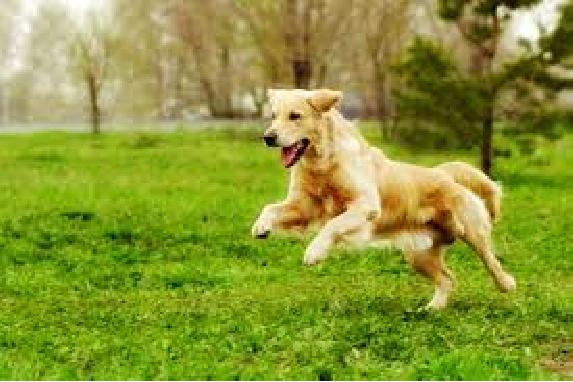
Happy dog running or playing after recovery from TPLO surgery
When a dog suddenly begins limping on a rear leg, one of the most common causes is a torn cranial cruciate ligament (CCL), the canine equivalent of the human ACL. This injury can be painful, debilitating, and if left untreated, can lead to progressive arthritis and chronic mobility issues.
At Brunswick Veterinary Hospital, I routinely perform TPLO (Tibial Plateau Leveling Osteotomy) surgery to help dogs regain comfort, mobility, and quality of life. TPLO is considered one of the gold-standard surgical procedures for treating cruciate ligament injuries and has an excellent long-term success rate.
What Is a Cranial Cruciate Ligament (CCL) Tear?
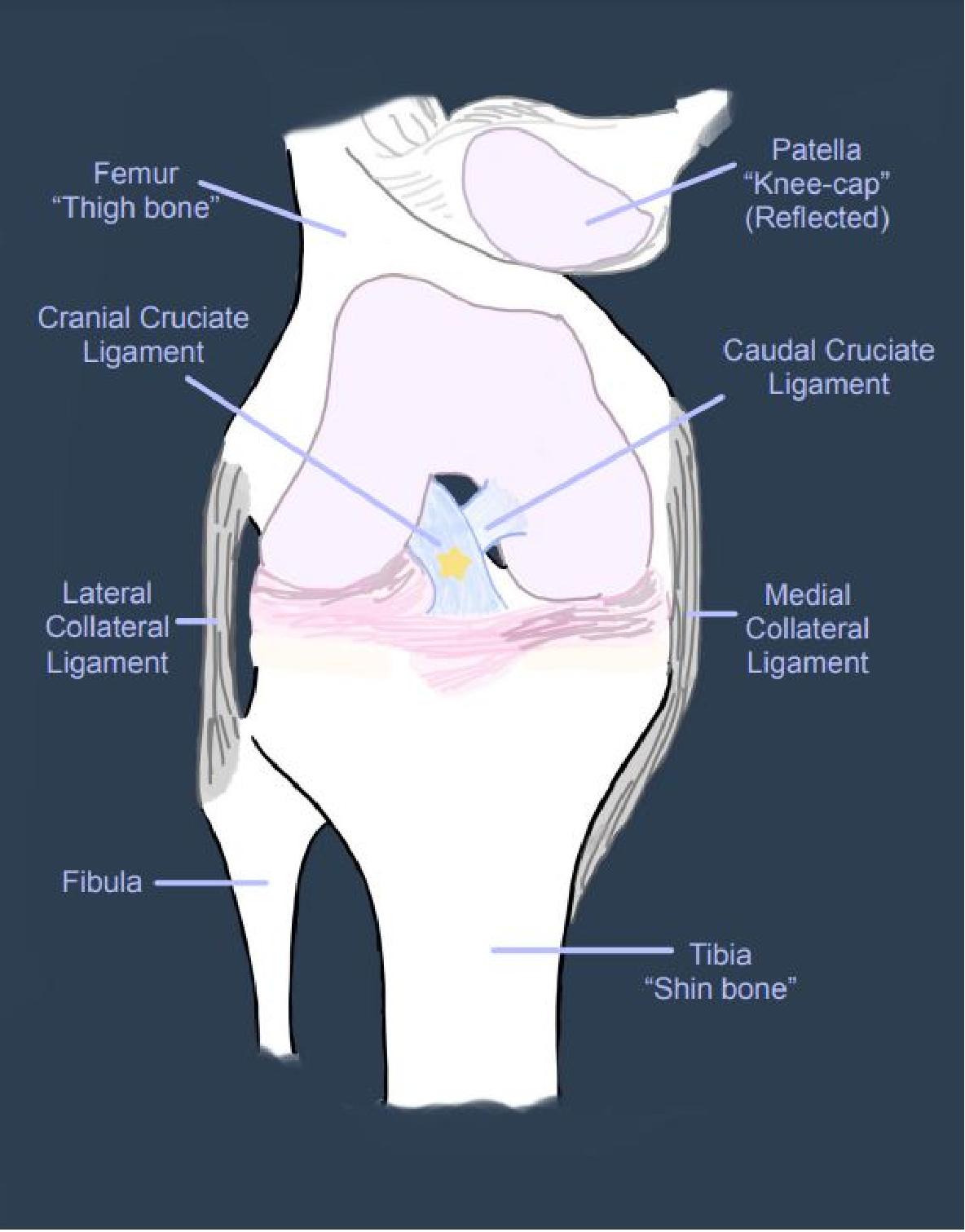
The cranial cruciate ligament (CCL) stabilizes the knee joint. When it tears, the femur and tibia move abnormally, resulting in pain, lameness, and arthritis.
The cranial cruciate ligament (CCL) is one of the primary stabilizing ligaments within your dog's knee joint. When it becomes damaged or ruptures, the knee becomes unstable and painful.
Common signs of a cruciate ligament tear include:
- Limping or favoring a rear leg
- Difficulty standing or rising
- Stiffness after rest
- Reluctance to run, jump, or play
- Muscle loss in the affected leg
- Progressive arthritis
Unlike ACL injuries in people, which often occur during athletic activities, most cruciate ligament tears in dogs develop gradually over time as the ligament degenerates and weakens.
Why I Recommend TPLO Surgery
TPLO is one of the most studied and successful orthopedic procedures in veterinary medicine. Unlike older surgical techniques that attempt to replace the damaged ligament, TPLO changes the biomechanics of the knee so that the ligament is no longer necessary to stabilize the joint.
For many medium and large breed dogs, as well as active dogs of any size, TPLO provides the best opportunity for long-term comfort and return to normal activity.
How TPLO Surgery Works
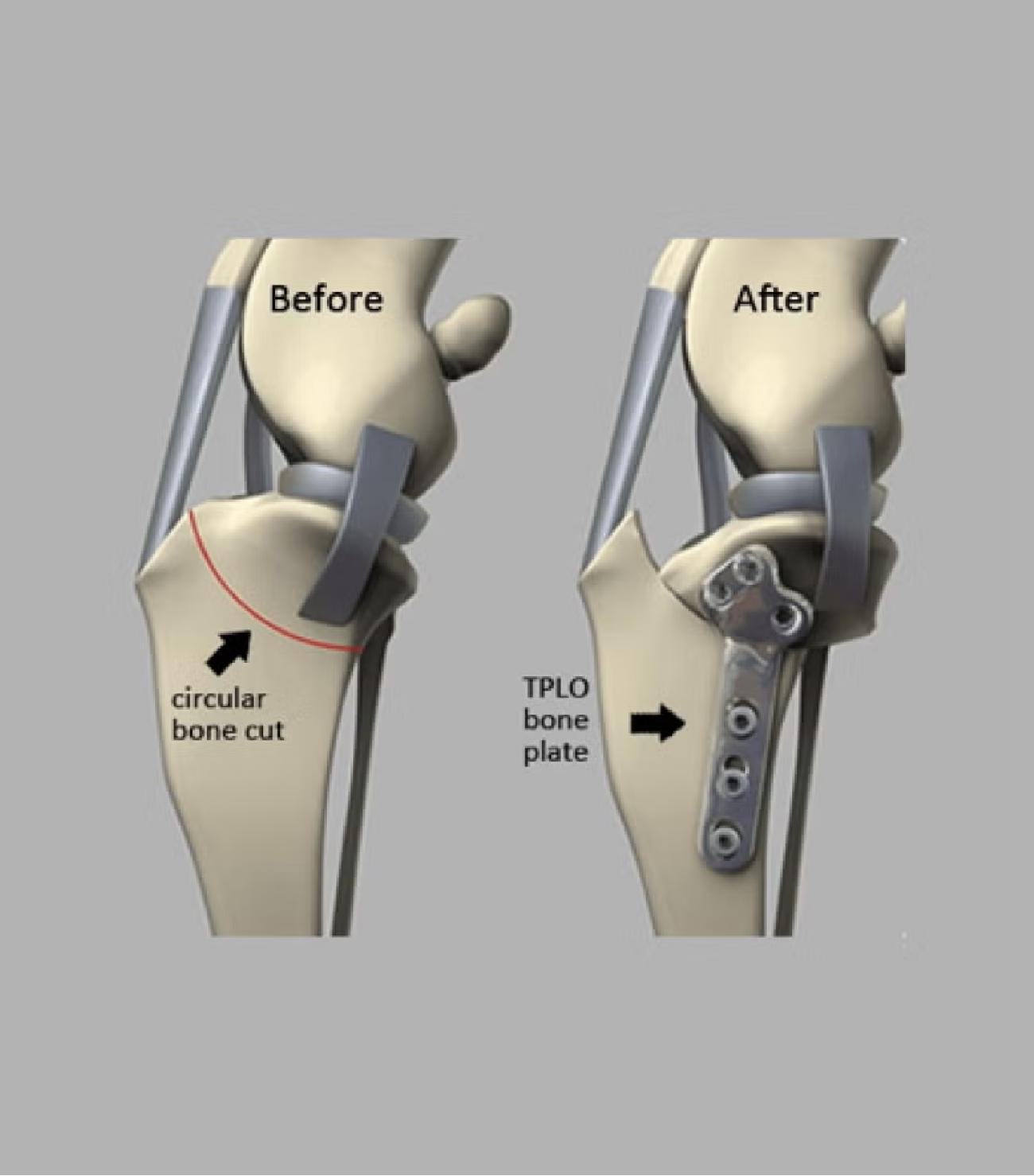
TPLO changes the angle of the tibial plateau, eliminating the abnormal forward motion that occurs when the cruciate ligament is torn.
Prior to surgery, we perform a complete orthopedic examination, obtain radiographs (X-rays), and perform pre-anesthetic bloodwork to ensure your pet is a good surgical candidate.
During surgery:
- Anesthesia and Monitoring
Your dog is placed under general anesthesia and continuously monitored by a licensed veterinary technician throughout the procedure. - Osteotomy
A curved cut is made in the upper portion of the tibia (shin bone). - Rotation of the Tibial Plateau
The top portion of the tibia is carefully rotated to a more level position. - Stabilization
A specialized TPLO plate and screws are used to secure the bone in its new position while healing occurs. - Recovery
The incision is closed, and your dog is closely monitored during anesthetic recovery.
The result is a stable knee that no longer relies on the damaged cruciate ligament for support.
What Does a TPLO Look Like on X-Ray?
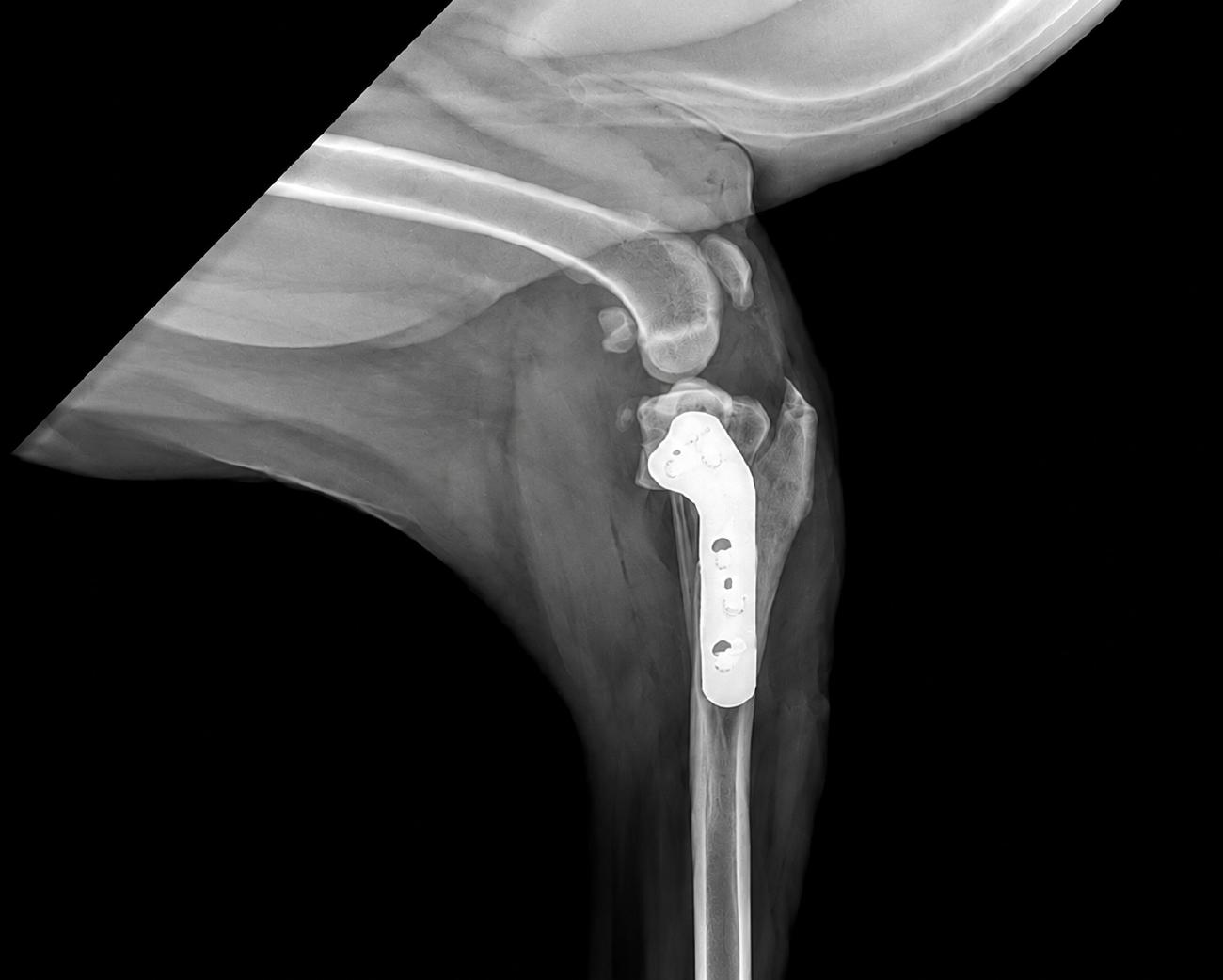
Post-operative radiographs showing a healed TPLO with the plate and screws securely stabilizing the tibia.
Following surgery, repeat radiographs are performed to monitor bone healing and ensure proper implant positioning.
Most patients demonstrate excellent healing over the following weeks and continue to gain strength and comfort as recovery progresses.
Recovery After TPLO Surgery
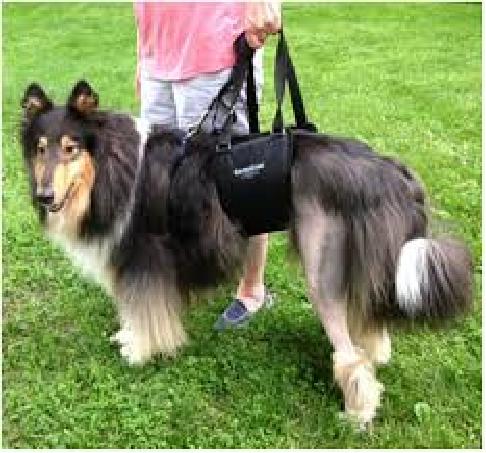
Controlled activity and rehabilitation are essential parts of a successful recovery.
Recovery is just as important as the surgery itself.
Most dogs begin touching the foot to the ground within days of surgery and gradually improve over the following weeks.
Successful recovery includes:
- Strict activity restriction for approximately 8–12 weeks
- Controlled leash walks only
- Pain and anti-inflammatory medications as prescribed
- Follow-up examinations and radiographs
- Gradual return to activity as healing progresses
- Physical rehabilitation exercises when indicated
Many dogs benefit from therapeutic exercises, rehabilitation therapy, and laser therapy during recovery to help rebuild muscle mass and improve mobility.
Please see our post-surgery instructions for a TPLO here:
What Is the Success Rate of TPLO Surgery?
TPLO has an excellent long-term success rate, with approximately 90–95% of dogs returning to comfortable, functional use of the limb.
Most dogs are:
- Bearing weight within days to weeks
- Walking comfortably by 6–8 weeks
- Returning to normal daily activities by 4–6 months
While arthritis cannot be completely prevented after a cruciate ligament injury, TPLO significantly improves joint stability and helps slow arthritic progression.
Why Choose Brunswick Veterinary Hospital?
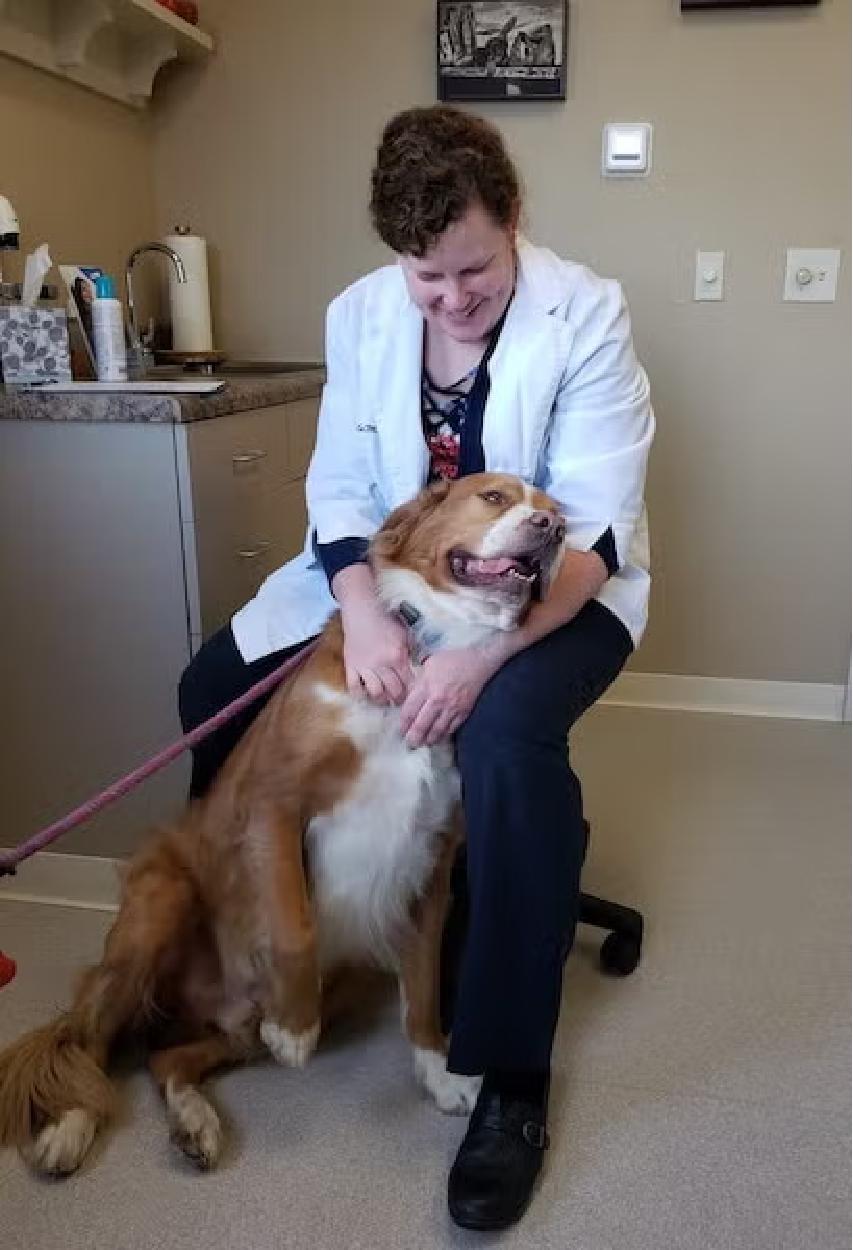
Photo of Dr. Nicole LaMora Examining a Patient
At Brunswick Veterinary Hospital, we are proud to offer advanced orthopedic surgery close to home.
In addition to TPLO surgery, we provide:
- Patellar luxation repair
- Fracture repair
- Femoral head ostectomy (FHO)
- Soft tissue surgery
- Therapeutic laser treatments
- Comprehensive pain management
- Advanced diagnostic imaging
Our goal is to provide the highest level of surgical care while ensuring that both you and your pet feel supported throughout the entire treatment and recovery process.
Schedule an Orthopedic Consultation
If your dog is limping, has been diagnosed with a torn ACL (CCL), or you would like a second opinion regarding treatment options, I would be happy to help.
Contact Brunswick Veterinary Hospital to schedule an orthopedic consultation and discuss whether TPLO surgery is the right option for your pet.
Dr. Nicole LaMora
Brunswick Veterinary Hospital